
Veterinary Cancer Care in Providence, Rhode Island

.avif)
Meet Dr. Caleb Alexander
Board-Certified Veterinary Medical Oncologist and Medical Director
After earning his veterinary degree from the University of Minnesota, Dr. Alexander completed a rotating internship at Tufts VETS and an oncology residency at the New England Veterinary Oncology Group. Dr. Alexander considers it a privilege to care for pets with cancer and guide their families through each step of treatment. His clinical interests include lymphoma, hemangiosarcoma, and osteosarcoma, and he is also deeply committed to mentoring the next generation of veterinary professionals. Dr. Alexander is proud to bring specialized oncology care to pets and families across Rhode Island and the surrounding region.
Specialized Oncology Care, Centered on Your Pet
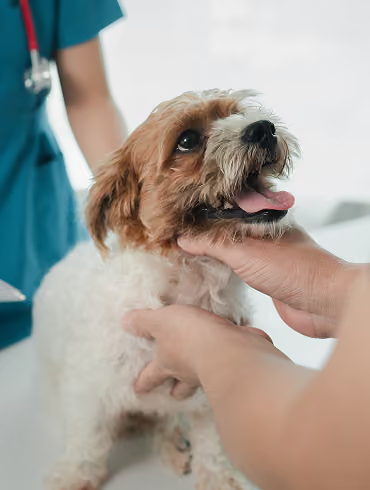

Every Detail Designed for Cancer Care
Pet Cancer Center is a fully dedicated, oncology-exclusive practice built around the needs of pets with cancer. Every part of our hospital, from our clinical team and treatment planning to our technology and patient experience, is designed to support a high standard of clinical excellence across cancer diagnosis, treatment planning, and ongoing care.

A Steady Presence Alongside You
We take the time to help you understand your pet's diagnosis, the options available, and what each path may look like. By discussing potential benefits, limitations, side effects, and practical considerations openly, we can help you make informed decisions that feel right for your pet and your family.

Thoughtfully Tailored Treatment, Because Every Pet's Story Is Different
Every recommendation reflects your pet's diagnosis, comfort, and day-to-day well-being, along with the priorities of your family. We consider not only how treatment may extend time, but how it may help preserve the quality of the time you share.
Services for Every Pet’s Journey

Diagnostics & Staging

Medical Oncology

Supportive Care

Collaborative Care
Opening This November for Pets and Families in the Heart of Providence
Conveniently located in Providence, Pet Cancer Center provides specialized cancer care for pets throughout Rhode Island and the surrounding region. Our dedicated oncology center offers families a trusted destination for consultations, diagnostics, treatment, and ongoing support, all in one location.
We proudly serve pets and families from Providence and surrounding communities, including Cranston, North Providence, East Providence, East Greenwich, Newport, Barrington, and Warwick, as well as patients traveling from nearby areas of Massachusetts, such as Mansfield, Attleboro, Worcester, Foxboro, Wrentham, and areas of Connecticut for specialty veterinary oncology care.


Interested in Scheduling a Consultation?
Pet Cancer Center is opening this November. Share your information with our team, and we’ll reach out to help schedule your consultation once appointments become available.
Contact UsFrequently Asked Questions
We’re here to help you understand what comes next. Explore answers to common questions about consultations, treatment, side effects, quality of life, and your pet’s care.
Most dogs and cats tolerate chemotherapy well. Veterinary chemotherapy protocols are designed differently from many human treatment protocols, with a strong emphasis on maintaining comfort and quality of life. Side effects can occur, but they are usually mild, temporary, and manageable. Cats may experience side effects less frequently than dogs.
Before treatment begins, we will explain what you can reasonably expect from the recommended medication and how we will adjust the plan if your pet does not tolerate it as comfortably as we would like.
The most common side effects include a temporary decrease in appetite, nausea, vomiting, diarrhea, and lower energy. Some medications can also temporarily suppress the bone marrow, which may reduce white blood cell counts and increase the risk of infection.
The timing and likelihood of side effects depend on the medication and the individual patient. We will explain what to watch for at home, provide supportive medications when appropriate, and let you know when to contact our team.
Your pet’s first consultation is an opportunity for us to understand the full picture. We will review their medical records and diagnostic results, perform an examination, and talk with you about their health, daily routine, and any changes you have noticed.
We will then explain what is known about the diagnosis, whether additional testing may be helpful, and which treatment or supportive-care options may be available. You will have time to ask questions and discuss the benefits, limitations, logistics, and goals of each option. In many cases, treatment may be able to begin the same day. We will make sure you understand the recommendations and feel comfortable with the plan before moving ahead.
Continue offering the familiar routines, resting places, foods, and activities your pet enjoys, while allowing additional rest when needed. Give all medications as directed and keep track of changes in appetite, energy, digestion, mobility, breathing, sleep, or behavior.
Your observations help us understand how treatment is affecting daily life. Please share even subtle changes with our team so we can provide supportive medications or adjust the treatment plan when appropriate. Raw diets are generally discouraged during cancer treatment because some cancers and therapies can weaken immune defenses and increase susceptibility to foodborne infection.

.png)
.png)

