
Digital Radiology
Bringing the Bigger Picture into Focus
When a physical examination and medical history do not tell the whole story, digital radiology can provide a clearer look inside the body. Often referred to as X-rays, radiographs create detailed images that can help evaluate the chest, abdomen, bones, and other areas affected by cancer.
At Pet Cancer Center, imaging findings are considered alongside your pet's symptoms, diagnosis, laboratory results, and overall condition. This enables views help us understand what may be happening and determine whether additional information may be needed. If any, may be helpful.
What Is Digital Radiology?
Digital radiology uses X-rays to create images that can be viewed electronically soon after they are taken. Radiography is one of the most commonly used forms of veterinary diagnostic imaging and can be especially helpful for examining the chest, abdomen, and bones.
These images are viewed digitally and can be evaluated closely, shared when appropriate, and compared with future studies to track the meaningful changes over time.
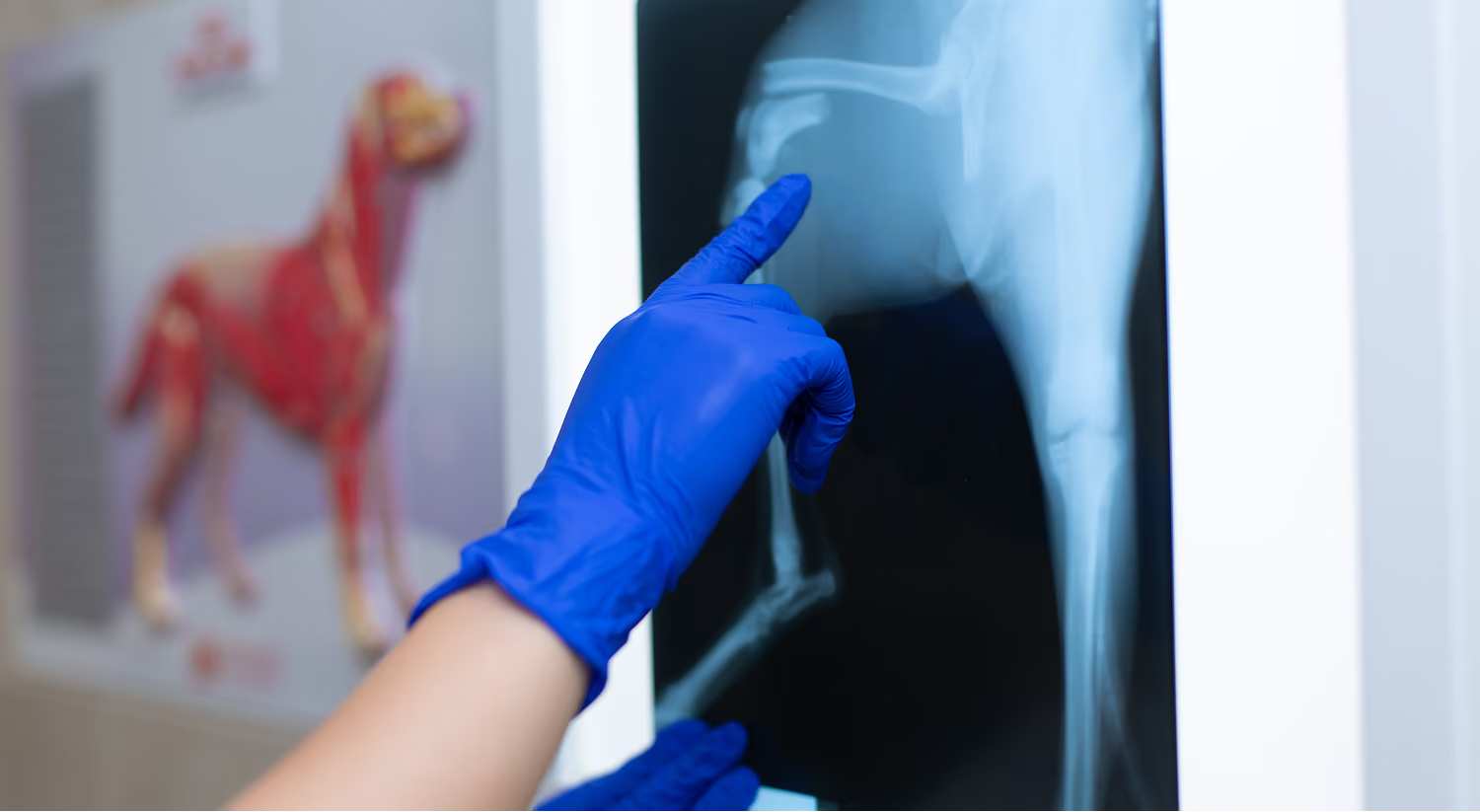
How Radiographs May Support Cancer Care
Depending on your pet's diagnosis and clinical needs, digital radiographs may be used to:
- Look for visible changes within the chest or abdomen
- Evaluate bones for areas of concern
- Investigate symptoms such as coughing, breathing changes, discomfort, or lameness
- Gather additional information before beginning treatment
- Monitor certain findings or changes over time
- Help determine whether a further form of diagnostic testing may be useful
Radiography offers one view of the body, but they do not provide every answer. In some situations, ultrasound, CT, laboratory testing, sampling, or another diagnostic procedure may be needed to create a more complete picture and to guide the next steps in your pet's care.
What to Expect During Imaging
To obtain useful images, your pet will need to remain still while being positioned for several views. Our team will handle them carefully and work to keep the experience as calm and comfortable as possible.
Some pets can be imaged while awake. Sedation may occasionally be recommended when a pet is anxious, uncomfortable, or unable to remain in the position required for an accurate study. We will explain what we recommend and why before proceeding.
The number and type of images taken will depend on the area being evaluated and the clinical questions we are trying to answer.
Understanding the Findings
Once the study is complete, the radiographs are reviewed for findings that may help explain your pet's condition or influence the next recommendation.
We will talk you through what the images show, what they cannot confirm on their own, and what further additional evaluation may be helpful. Our goal is to give you context, not simply a report, so you understand how these findings fit into the larger picture of your pet's care.
Interested in Scheduling a Consultation?
Pet Cancer Center is opening this November. Share your information with our team, and we’ll reach out to help schedule your consultation once appointments become available.
Contact Us
.png)
.png)

